Disney Pulls Properties from YouTube TV After Contract Dispute
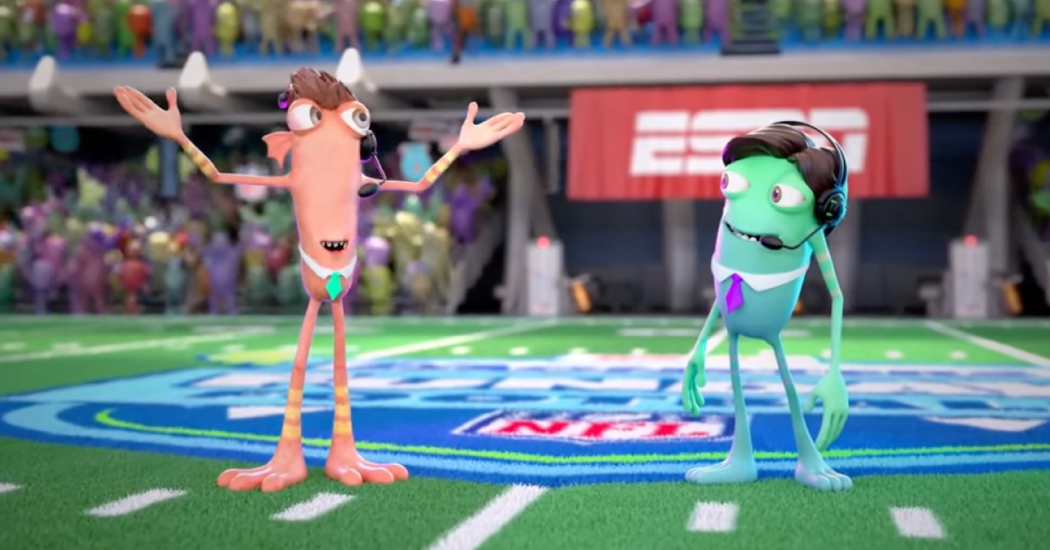
Update: Disney and Google reached an agreement on November 15 that restored access to ESPN, ABC and other channels to YouTube TV’s 10 million subscribers. While details of the deal have not been made public, and likely won’t be, ESPN has included access to their new ESPN Unlimited service. This has the potential to attract additional subscribers to YouTube TV, especially WWE wrestling fans as major events will be included in the Unlimited package. It is also speculated that YouTube TV will also offer new, more flexible plans in the future including a “sports and broadcast” package that could help mitigate higher costs to consumers that may result from the new Disney deal.
On October 31, Disney pulled all its channels from the YouTube TV platform after negotiation for a new content distribution deal broke down. Channels pulled included ABC, ESPN, Disney Channel, FX and Nat Geo. This dispute sent a major wave through the marketing world as access to major live sports and entertainment unexpectedly disappeared. Disney had appeared to be using the popularity of their networks to leverage higher fees from Google for the right to distribute the channels.
Regularly Scheduled Programming or a Permanent Power Shift?
This is not the first time Google has had a dispute with Disney or other media partners that also resulted in losing access to popular channels. In 2021, nearly 4 million YouTube TV customers lost access to the Disney-owned channels in the same fashion. After two days of negotiation, access to those channels was restored. This year, Disney had more leverage and less motive to cut a deal.
Disney now has a stronger distribution system with their own platforms and packages that overshadow Google’s YouTube TV subscription. Disney+ currently boasts 128 million subscribers that gives anytime access to content from Disney, National Geographic and FX. Hulu has also been under Disney control since 2019 after Disney acquired 21st Century Fox. For sports, Disney has also created ESPN Unlimited, which gives users access to all ESPN Networks, including the SEC and ACC networks, ESPN+ and live events across all ESPN channels. In addition, Disney announced this week that it has closed a deal to purchase Fubo TV to merge with Hulu + Live TV.
As in 2021, both Disney and YouTube TV were very publicly pointing fingers. Google stated in a blog poston October 23 that Disney was forcing “costly economic terms that would raise the prices on YouTube TV customers”. Disney instead pushed the blame onto Google saying that Google chose to deny their subscribers the content they value the most by refusing to pay fair rates for their channels.
What Does this Mean for Marketers?
A large gap was left in the live sports offering on YouTube TV, though there are other channels, like local and league networks, that filled the gap until a deal was made.
ESPN owns the rights to many major league and college events including NCAA Football, NFL Monday Night Football and NBA Basketball. These negotiations took place at a time when all three leagues were in full swing. YouTube TV however still has access to other channels, including Fox Sports, which also offers NFL and College Football, CBS Sports, NBC (which recently acquired rights to NBA games), Golf Channel and TNT, which offers NHL hockey.
Audience fragmentation is accelerating, especially in sports. Sports fragmentation is not new; however, and this conflict highlighted changes consumers may
need to make at some point in choosing streaming providers. Many new streaming partners have entered the live sports game including Amazon purchasing streaming rights for NFL and NBA games and Netflix dipping their toes into sports content with WWE Wrestling, boxing and NFL games. However, this also strengthens Disney’s advertising offerings as it consolidates apps and channels into single bundles.
What Should Brands Do Now?
Though this issue has now been resolved, this conflict leaves a lot for advertisers to think about, especially if a contract dispute occurs in the future. Here’s what advertisers can do if a similar issue happens again:
- Continue to monitor the situation as negotiations develop and keep an eye on future media rights negotiations between other partners.
- Monitor and audit any current reservation buys on YouTube TV or Connected TV (CTV) campaigns through different apps and properties for performance shifts.
- Add adjustments to future plans to consider impacts from an extended break in relationships between publishers.
In summary, if you’re running campaigns that rely on channel-based distribution (live streaming, network buys, sponsorships tied to specific networks), this Disney/YouTube TV fallout is a wake-up call. It highlights how distribution rights, platform stability, audience shifts, and cost pressures all converge—and how a dispute between big media companies can ripple directly into marketing performance. The dispute may dictate how future negotiations progress and if the power lies with content, or with brand loyalty to distributors. At Rain the Growth Agency, we have a feeling content will continue to be king.
This article is featured in Media Impact Report No. 70. View the full report here.
Next article
11.20.25
November 2025 Media Impact Report
Update: Disney and Google reached an agreement on November 15 that restored access to ESPN, ABC and other channels to YouTube TV’s 10 million subscribers. While details of the deal have not been made...
Read It