The New Women’s Health Conversation
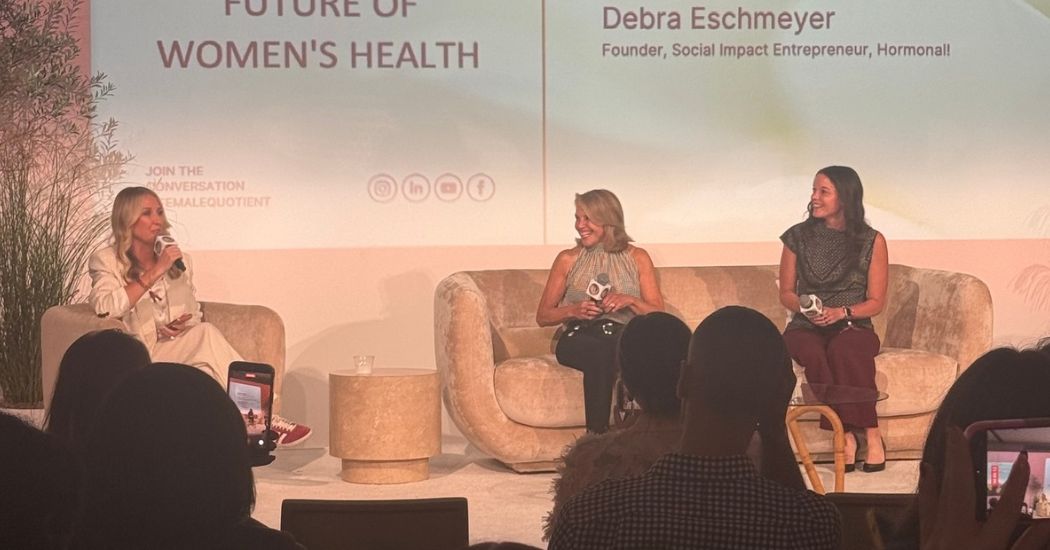
The Female Quotient Health Summit made one point clear: women’s health is no longer a niche conversation in wellness or healthcare. It is a major opportunity and area of accountability for employers, media companies, health brands, startups, and investors as the focus shifts from reactive care to proactive wellbeing, prevention, and life-stage-specific support.
Wellness itself is being redefined. Rather than centering on appearance or aspiration, the new definition is rooted in energy, sleep, sexual wellbeing, mental resilience, and the ability to feel and function better every day. The implication for brands is to make healthy choices feel additive, accessible, and repeatable—not restrictive, performative, or unattainable.
Prevention emerged as a critical communications challenge. Conditions such as heart disease, historically perceived as a man’s disease, can still feel distant, or relevant only later in life, despite the need for earlier action. The opportunity is to make prevention personal through self-knowledge, realistic behavior changes, convenient screenings, and employer programs that support action around milestones such as blood pressure, cholesterol, movement, and metabolic health.
At the same time, health topics once minimized or treated as taboo—including periods, endometriosis, PCOS, fertility, menopause, postpartum care, and sexual wellbeing—are becoming mainstream. Women are not simply seeking awareness or validation; they want practical tools, credible information, community support, and better care navigation that helps them interpret symptoms and act.
For health and wellness brands, the summit pointed to a creative reset. Traditional messaging can feel over-produced, overly clinical, and disconnected from lived experience. By contrast, the most resonant health storytelling today speaks in the language of actual benefits: better sleep, better intimacy, less shame, more confidence, and a greater sense of control. Authenticity is becoming a strategic requirement rather than a stylistic choice. Expert voices still matter, but they increasingly need to work alongside trusted creators, patient advocates, and women willing to speak candidly about their own experiences. The summit’s emphasis on trust, expertise, and influence suggests that the brands most likely to win will be those that make health information feel both credible and human.
The summit also highlighted a major repositioning opportunity around aging. Instead of treating midlife as a period of decline or invisibility, speakers framed it as a stage requiring more honest language, more optimistic storytelling, and more meaningful support. That includes not just medical care, but permission to invest in sleep, recovery, sexuality, fitness, cognitive health, and long-term quality of life. For media and marketers, this is a significant lens shift. The opportunity is not to sell “anti-aging” solutions in the old sense. It is to tell a fuller story about vitality, confidence, self-knowledge, and continued ambition. That repositioning can open more relevant creative territory for employers, consumer brands, and health businesses alike.
The summit points to an important business conclusion: women’s health is emerging as one of the most powerful convergence zones across culture, care, commerce, and communications. The brands and institutions gaining relevance will be the ones that make prevention feel personal, treat taboo topics with candor and usefulness, and convert health storytelling into practical action.
The media opportunity is larger than awareness. It sits in the ability to shape trust, normalize behavior, accelerate demand for better coverage and care, and build new narratives around prevention, longevity, and everyday health agency. In that sense, the Female Quotient Health Summit was not simply a discussion about women’s health. It was a signal that the category is entering a more visible, more accountable, and more commercially important phase.
Next article
11.03.26
Why Trust is Still the Foundation of the Creator Economy
The Female Quotient Health Summit made one point clear: women’s health is no longer a niche conversation in wellness or healthcare. It is a major opportunity and area of accountability for employers,...
Read It